|
Hey folks! I hope y’all had a great Easter weekend and spent some awesome time with family, remembering WHY we celebrate Easter – Christ is risen! ✝️
If you’re not already following us on Facebook and Instagram, hit those up to stay in the loop between emails. And if a buddy shared this with you, make sure you sign up here to get the free weekly email straight to your inbox. Hope you enjoy this one!
|
|
|
If your email program cuts off the bottom of the email click "View this email in your browser" up top to see the whole thing. Sorry about that – email programs keep changing stuff!
|
|
|
There's a new high-end
crappie rod in town! 👀
|
|
|
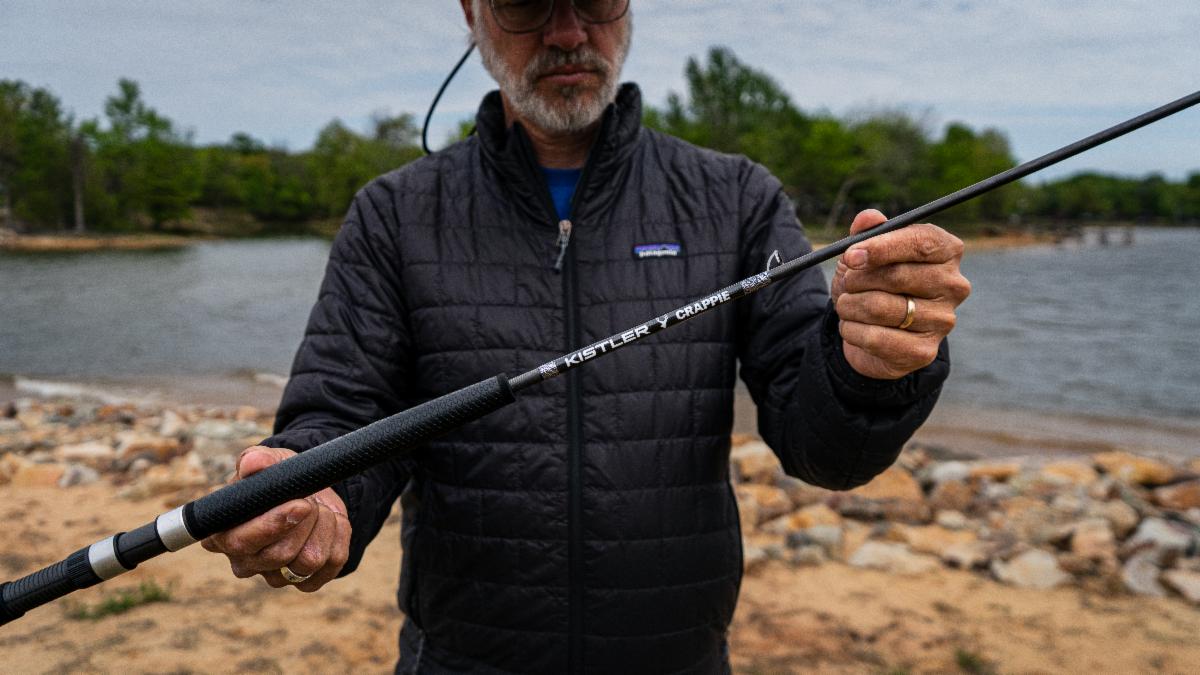
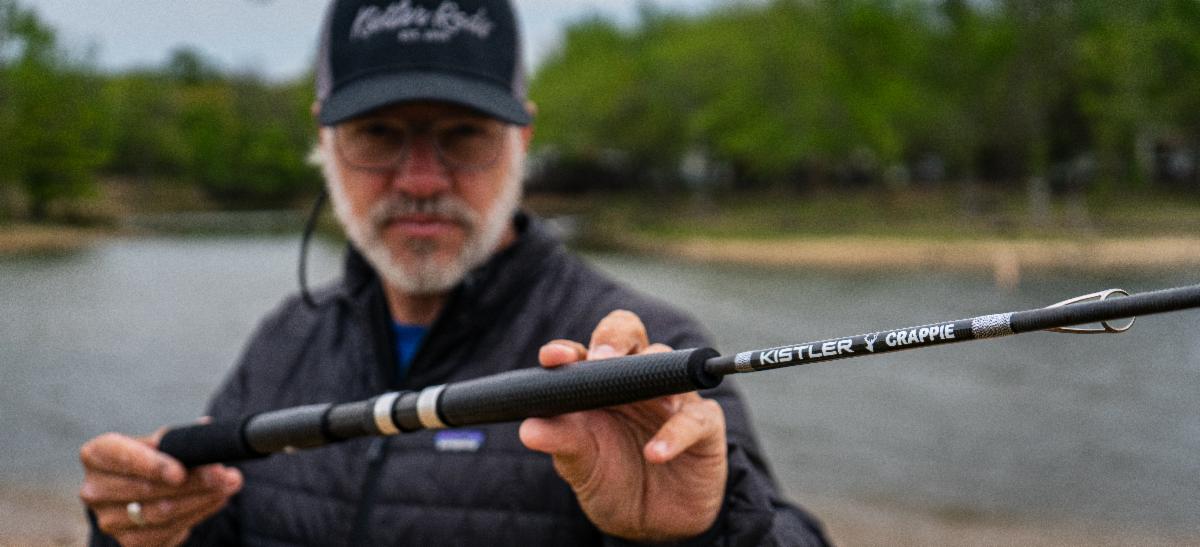
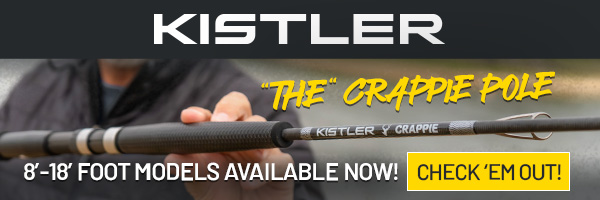
They're called Kistler Big Game Crappie Poles, made by Kistler Rods out of Magnolia, TX.
Owner and US Army vet Trey Kistler makes some of the best bass-fishing sticks on the planet, and wanted apply all that know-how to the crappie game to a) solve problems he saw in some crappie poles and b) make what he feels are the best crappie rods made today.
Sounds great – but they're $300 apiece! Why? We got with Trey to see what went into these rods for that kind of quality:
What are the biggest things about this rod that set it apart?
> "I was interviewing guys at the CRAPPIEFEST...'What are some things in your current rod you wish you could change or make better?' They said, 'They're heavy.'
> "[These new Kistler rods are] 100% ultra-high-modulus carbon. That is head and shoulders more light and sensitive [than other rods].
> "American-made, handcrafted in TX [rods with] premium tangle-free guides with super-slick inserts that reduce the friction so you can actually feel what's going on down there, especially if you're casting a jig and reeling.
> "We're using all premium components, not just the cookie-cutter run-of-the-mill guides and seats.
> "It's got the balancing kit that makes it feel lighter in your hands, which directly correlates to feeling light bites. Long rods are heavy to hold all day....
> "...and [crappie fishermen] all want to be able to boat-flip the biggest crappie they can catch – 2 or 3-lbers."
What is ultra-high-modulus carbon?
> "The higher the modulus, the more carbon fibers per square inch. And the more fibers you have – especially when there's 100% carbon and 0% fiberglass – you're going to feel the subtle slack-line bites better than a non-100% carbon rod.
> "We want to feel strikes, the timber, whatever might be on the hook. That feedback is what crappie and bass fishermen want more of.
> "When we can't feel anything, we're not enjoying the experience as much. We're not in tune with what's going on with our jig or minnow.
> "Ultra-high-modulus carbon is [also] stiffer, more rigid, not as rubber-bandish or flimsy. That translates into quicker hooksets, more power on deep-water hooksets, boat flips, everything. That's huge."
|
|
|
What are triple-polished guides?
> "I asked [the manufacturer] to make the rings as smooth as possible. I could take a razor blade and scrape the ring, and you can't even feel or hear anything. That tells you that when the line is going across there, you're not feeling the line drag.
> "[So when you're] using light line, it's not abrading the line.
> "The biggest part is you're going to feel what's going on with the jig better when you're pulling the line in and out, reeling it or just flipping.
> "The jighead drops faster too. A light jighead is going to drop faster when there's less drag on the line from the guide rings."
The handle on these rods is pretty neat. What did you do there?
> "The Tacky Grip [that the handle is made out of] is designed so that you can barely hold the rod, not have to squeeze it, and it stays in your hand. It kind of sticks in your hand when you're trolling around all day looking for crappie.
> "Anytime you don't have to squeeze, you're not exerting as much energy, and you're feeling the strike better."
_____
Couple more deals on these Kistler Big Game Crappie Poles:
- Handle setup – It has a longer foregrip for better balance and all-day comfort. The reel seat fits a size 50 to 3500 spinning reel or even a baitcaster. And it comes with a removable EVA foam balancing kit with lead weights so you can fine-tune it to your setup.
- Rod action – Trey wanted a tip with a little give, but not too soft. Something that shuts off clean, so when you set the hook it drives it home.
- The rod comes in 6 6", 7', 8', 10', 12', 14', 16' and 18'. Here are the names of each rod: Bobcat, Whitetail, Muley, Ram, Panther, Kodiak (I've been using that one a bunch!), 'Bull' and 'Moose'.
My experience with 'em
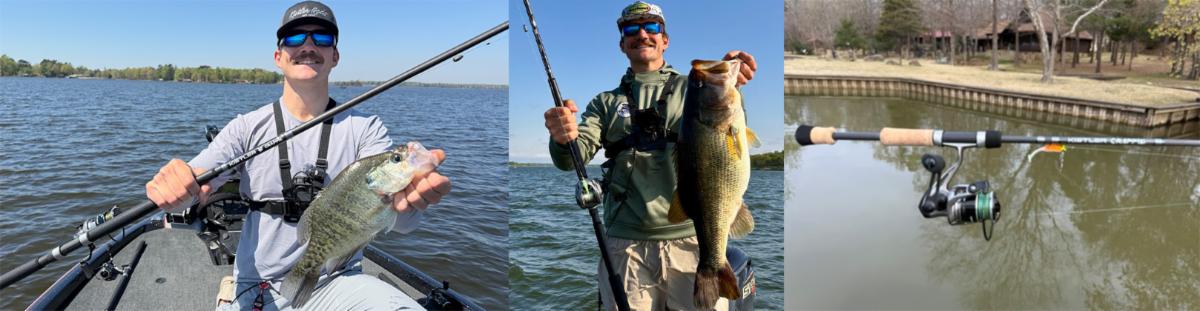
I've been able to try these rods out for a bit – here's a few pics!
|
|
|
I have the 7', 14' and 18' and have been using the tar out of 'em. The sensitivity and the weight of these rods are REAL nice!
The 7' Whitetail (right pic) has great action for a short rod. Been using it a ton for casting on the bank this spring. Between the L action of it and the sensitivity, you just don't miss many fish. Can't wait to use it more for casting at black crappie soon.
The Kodiak (middle) and Moose (left) – I got to fish with the prototypes and knew they were gonna be "it."
Been using the Kodiak A TON and the 'Moose' has been awesome when fish are being spooky. The reach you get with that 18' is just right up to that threshold of when fish get super spooky – been real nice when I've been Scoping shallower this spring. Plenty of backbone too, for driving hooks home.
Check out this video of 'em in action here and check out the rods here on the Kistler site!
|
|
Spring intel with Dan Langston
|
|
|
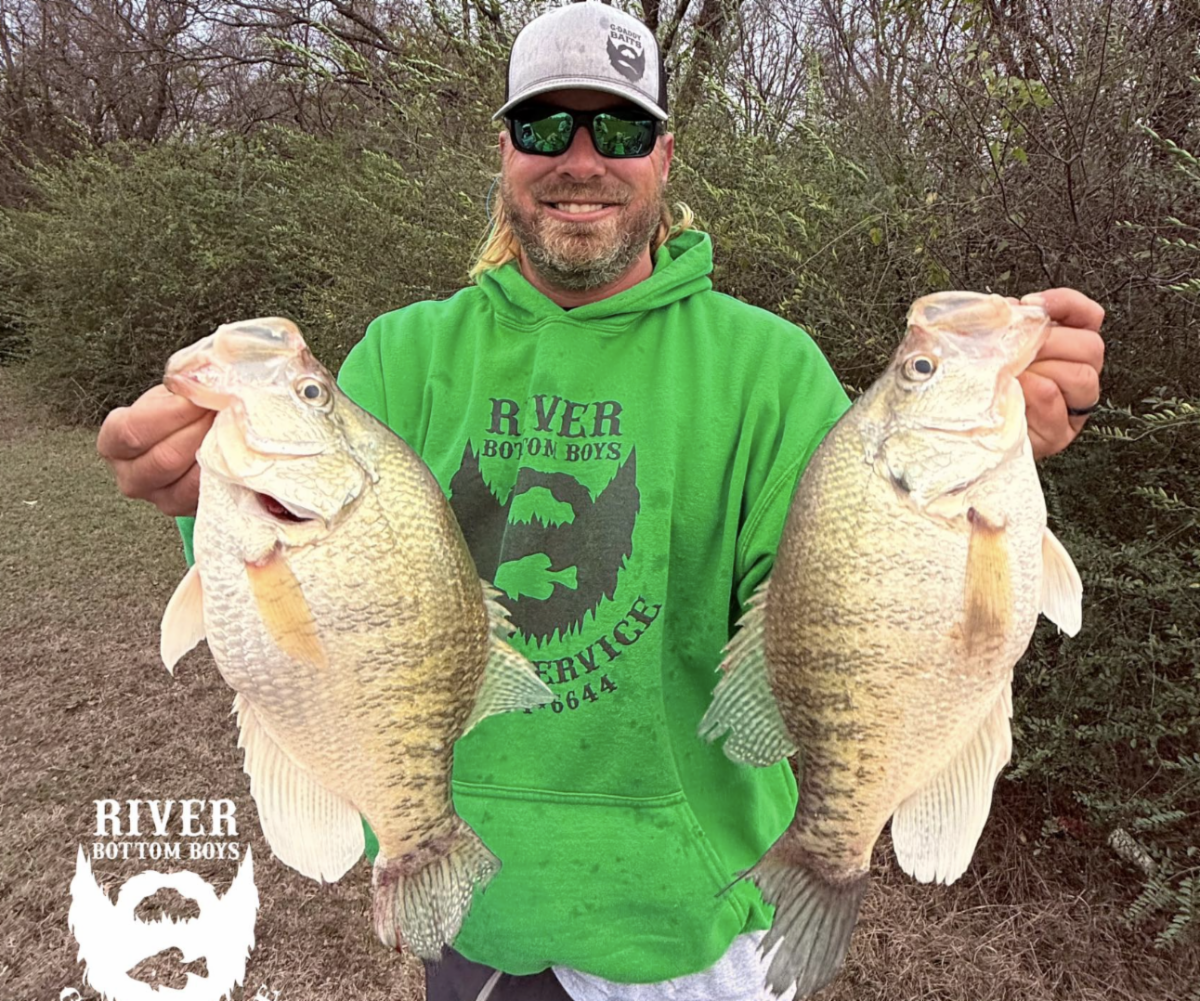
As I mentioned last week, we got some good intel from TX pro and River Bottom Boys Guide Service head Dan Langston – one of the more intellectual crappie minds out there.
After catching up with him at CRAPPIEFEST, I gave him a call to dig a little deeper – to get some juice without making him show his whole hand mid-Crappie Masters season. Here's 3 Qs with him:
|
|
You said you can tell what stage of the spawn fish are in by their behavior – how?
> "Easiest way to tell – clean the crappie. I'm looking for thick, full egg sacs or just-developing egg sacs. Pre-spawn phase, [egg sacs] are ready to blow. [Later] there are major bloodlines that run through those egg sac and they become very loose, almost mushy.
> "Color is a lot of that too. [Pre-spawn], eggs have more of a medium yellow. When you get a pale yellow, she's probably pretty much done. Females absorb back a lot of eggs.
> "Behaviorally, you can see that activity on LiveScope. In more of a post-spawn environment, the males become very active. You would almost think that they're sand bass.
> "I think what they're doing is protecting the fry and nest that is already laid, and I think that they're also possibly chasing off other males and different things.
> "When they're up there spawning, it's more of a relaxed, calm behavior between male and female activity."
How do you change up your presentation when you can see most fish are post-spawn?
> "I'm taking a more aggressive approach – brighter colors, I'll tip with several minnows on one jig to create a little bait ball putting [crappie] in a territorial environment.
> "I [also] get away from a 1/32-oz jighead. [Pre-spawn] I'll fish a 1/32-oz or a 1/16-oz so I can keep it in the zone longer. [Post-spawn], I go up to a 1/8th.
> I still pitch the same, work the bait the same, I just let the weight of the jighead be the presentation. The fall rate creates that reaction strike, like something shooting through the nest versus something lingering through there.
> "If you can pass a bait through there a little bit quicker, work it fast, through that zone, those males will come and nail it like a bass."
Btw, Dan pretty much does the opposite of that if he can tell the fish aren't active – downsized bait, slower presentation, less aggressive approach.
How do you differentiate your baits for pre- and post-spawn fish?
> "Pre-spawn baits are gonna be your natural colors. I'm also looking to throw plastics over hand-ties – plastics disperse more water.
> "[Pre-spawn cooler water] you're going to be in a slightly more dense environment. I want to have something that's going to grab their attention, but I also want it to be natural.
> "The color in that scenario is one thing I have noticed is particularly critical with black crappie over white crappie. Black crappie are more visual feeders than a lateral-line feeder [like white crappie].
> "Post-spawn I'm using something bright – that male is war-painted up, territorial, and he sees something else that's bright in that area. It's gonna nail it. He wants to get it out there."
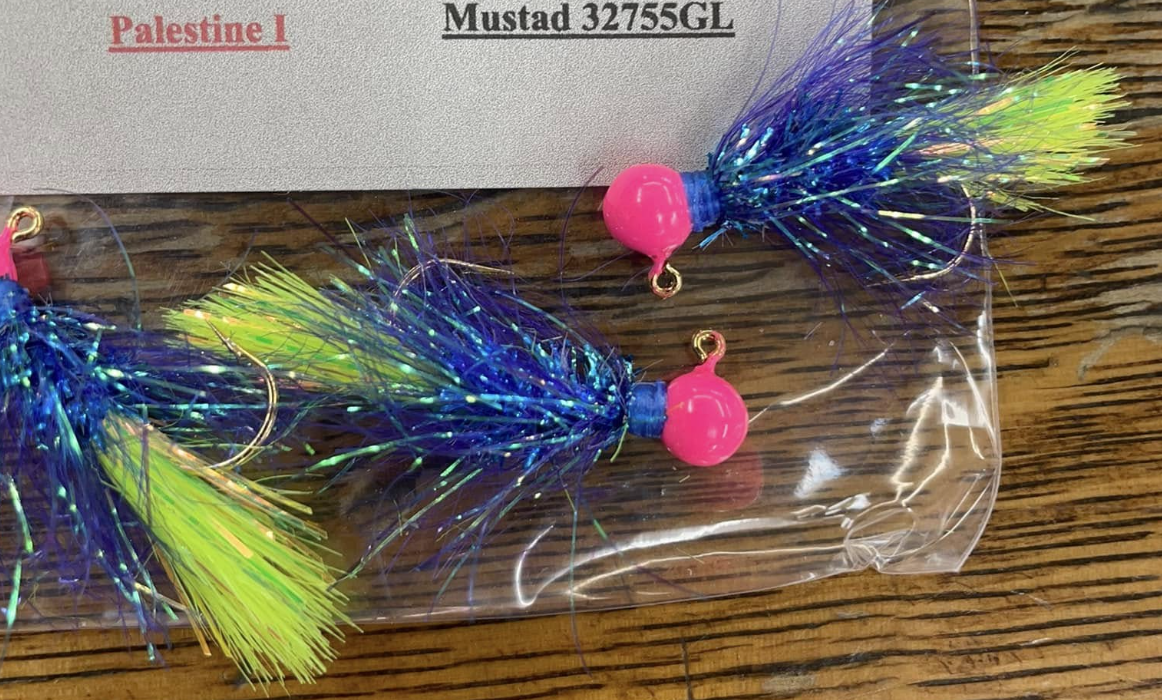
Talked baits with Dan and what he's been using right now. Said he's using a lot of hand-ties from Heavy D Hand Tied Jigs for the durability, and another cool jig he's using is:
> "Premier Crappie Jigs – it's gonna look really weird dry, but when that thing gets wet, imagine a Bobby Garland bait as a hand tie. It sucks down and forms an identical shape to a shad. Those hairs on it act like those micro fins – they're constantly moving in the water."
|
|
Another cool bait Dan has been using:
> "Cyclops Jigs. Been using his jigheads with a 2-inch and 2.8-inch 6th Sense Panorama rigging it on its side – it flows so well.
> "The Panorama worked really well at D'Arbonne [LA]. I didn't use the Cyclops Jig then. I took a 1/64-oz [jighead], buried it as much as possible and fluttered that shad right over the top as they were coming [for it]. They would even reject a plain minnow."
|
|
Frequencies affect crappie?
|
|
|
Not talkin' sonar! Dan is big on what crappie feel in their natural environment and how to imitate that with your bait.
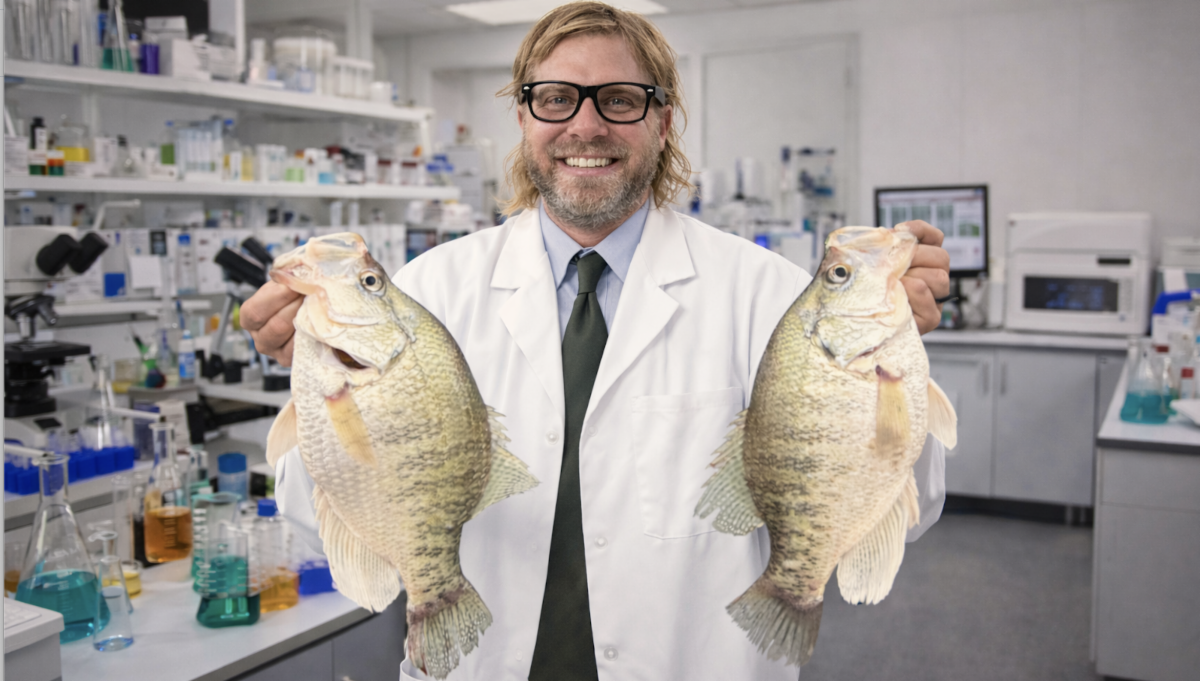
He nerded out just a hair in our convo (hey he said it, not me!) and gave some great intel on how he uses crappie instincts to his advantage.
When Dan started talking about this, this is how I imagined him! 😁
|
|
|
What do you mean when you talk about frequency, and how does that play to your advantage?
> "[Water] density [from temp and color] is a sound wave/frequency enhancer or frequency blocker, and affects how sound is detected by the lateral line of a fish.
> "[By frequency/vibration] a fish knows when something's dying. It knows when something is struggling. They know when mayflies are hatching underneath the water.
> "Those frequencies drive the fish...pushes them towards their particular depths, and where they want to feed. Density, frequency, wavelengths through sound – all of that is taken into account by predator fish.
> "People look at baitfish on LiveScope every day. How are the baitfish behaving that day? What are those fish doing in that type of environment? Are they moving fast? Are they slowed down? Are they constantly going up and down in schools? Are they doing that tornado look?
> "A lot of what you take in and understand from what you're seeing on that screen is how you need to be presenting that bait in that environment for that specific area of the lake.
> "For example, Lake Fork. If you're out in 20-30', you're going to see that threadfin approach. You go to the back of Glade, you go up to the Shotgun area, and you're going to see crappie behaving totally different.
> "Their environment is different. The density is different. It's a muddy-water approach. Those fish up there [in creeks] are feeding on baby frogs, crickets, grasshoppers, baby black drum. It's totally different. Those fish are now keying in on individual bait [compared to bait balls].
> "When I'm out deep...I'll throw umbrella rigs. There are specific things that you can throw to create bait balls for fish.
> "So in that type of environment, present what is most natural, that's going to mimic the frequency that's put off through that water [by the bait]."
Overall, what I got out of the convo was that Dan reads the water, keeps a super-open mind to what the fish are eating and tries to imitate that.
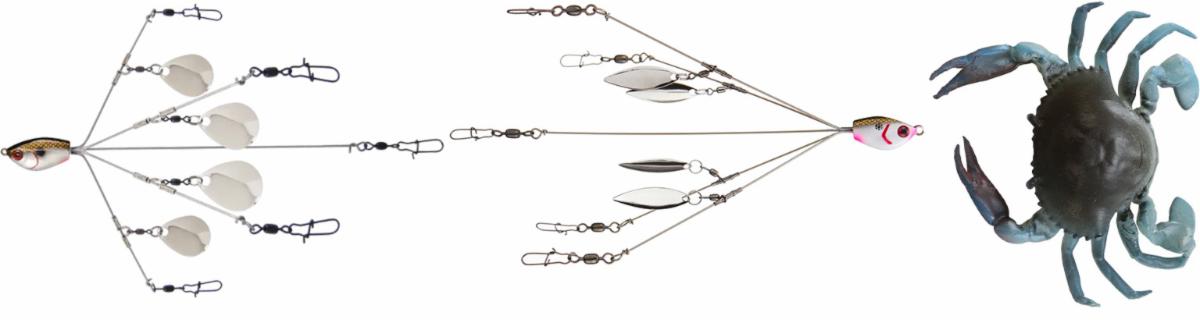
If you wanna try out the umbrella rig deal, YUM makes a smaller YUMbrella Flash Mob Jr Colorado Blade (left below) or the slightly longer regular Flash Mob Jr – I've caught a ton of crappie on those as well as my current PB crappie.
Dan also said he's caught crappie on a Savage Gear Crab?!?! Said he's been to lakes where he's found 'em on the bank and started chunking that thing! Guess a minnow isn't the only thing to go slabbin' with! 🤠
|
|
|
Couple tips from that post:
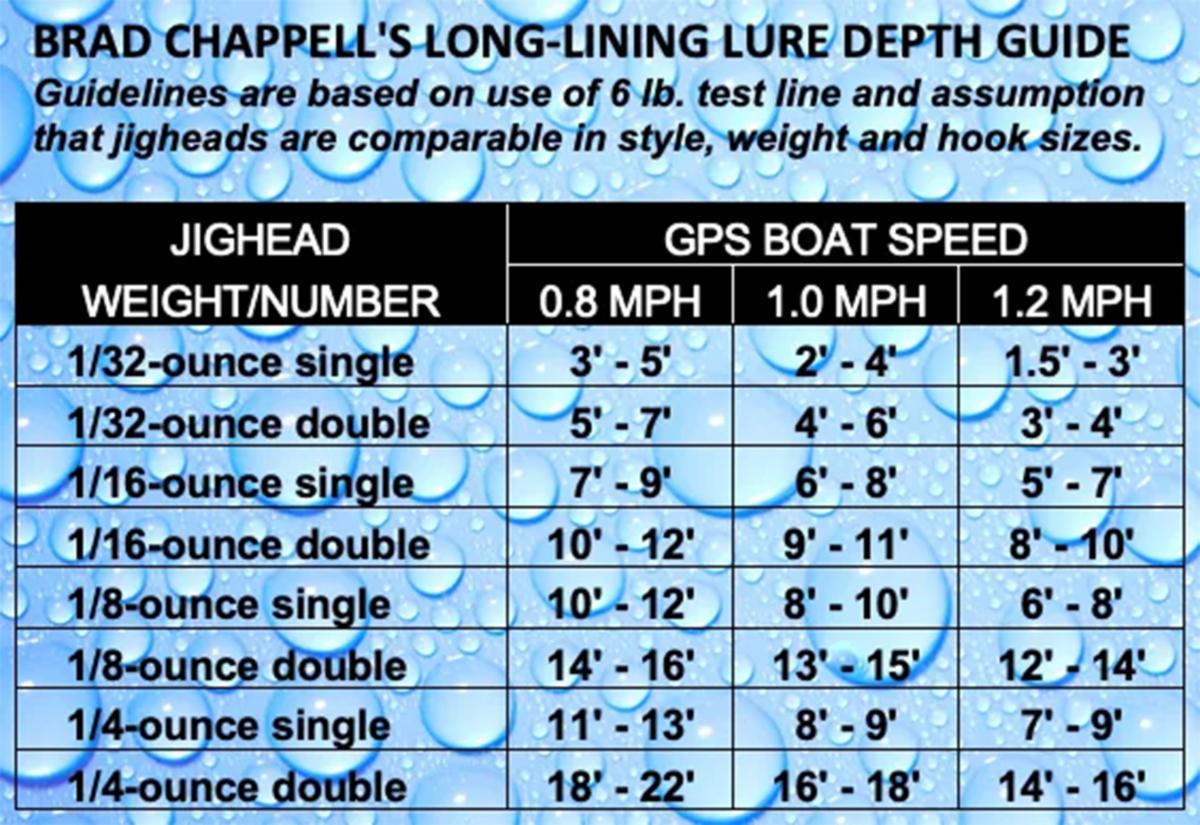
> ...typically trolls with 8 lines, each rigged with 2 crappie jigs – 16 baits working. He fishes 2 lines out the back (slightly angled) and 3 on each side, with those rods extended roughly perpendicular to the boat’s orientation, and all rod tips low but set to stay above the water.
> The back rods are the shortest, and the others step up in length from back to front. His most common rod length setups [are] 2 8s, 2 12s, 2 16s and 2 20s [rod length in feet].
> Every [bait] is generally rigged with loop knots, 3-4' apart [with] 6-lb high-vis line. The line color is important for tracking how the lines are running to minimize tangling.
> [Brad] gets the boat moving in the direction he wants to go before casting, then casts them out, starting with the back...working forward. He doesn’t measure distances, but...makes "a long country cast" to get baits well away from the boat.
Brad's fave trolling bait is the Bobby Garland Stroll'R. Here's why:
|
|
|
> ...believes it has the ideal profile and the right kicking/thumping action for longline trolling.
> He’ll experiment a lot with colors to pattern fish through the day, and will vary jigheads. ...except in an occasional situation that calls for downsizing, he seldom strays from Stroll’Rs when he trolls.
> Beyond jighead size and color, another key variable – the flash of willowleaf blades.
> That flash is easy to attain with Bobby Garland Head Turn’R Jigheads. The Head Turn’R design uses twin willow blades that run on each side of the bait and are extremely well-suited for longline trolling.
Check out that Stoll'R and Head Turn'R on Tackle Warehouse, and get to trolling!
|
|
Use glowing line for night fishing?
|
|
|
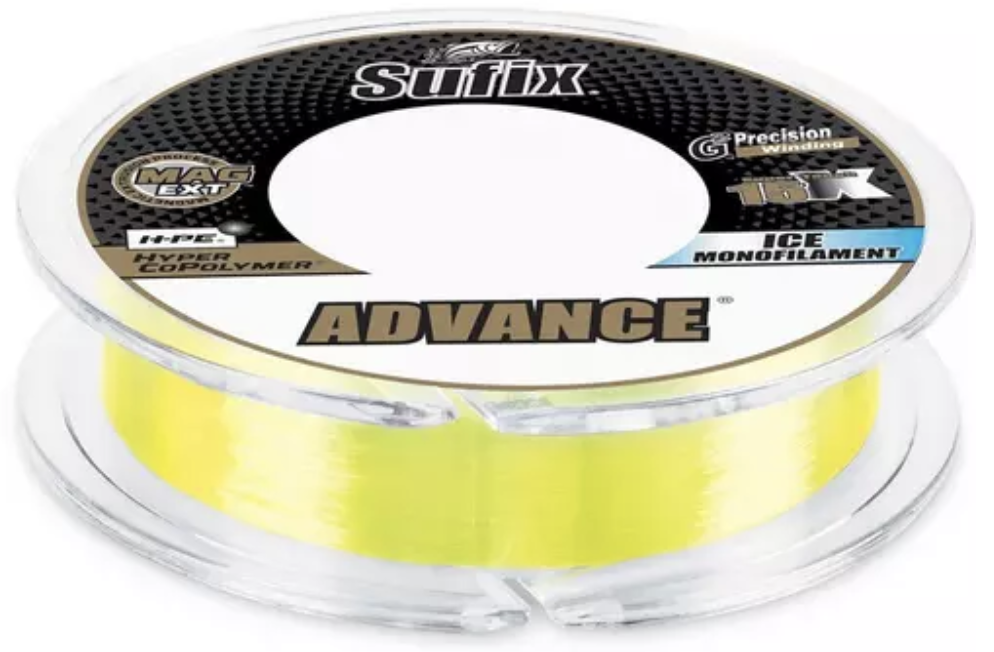
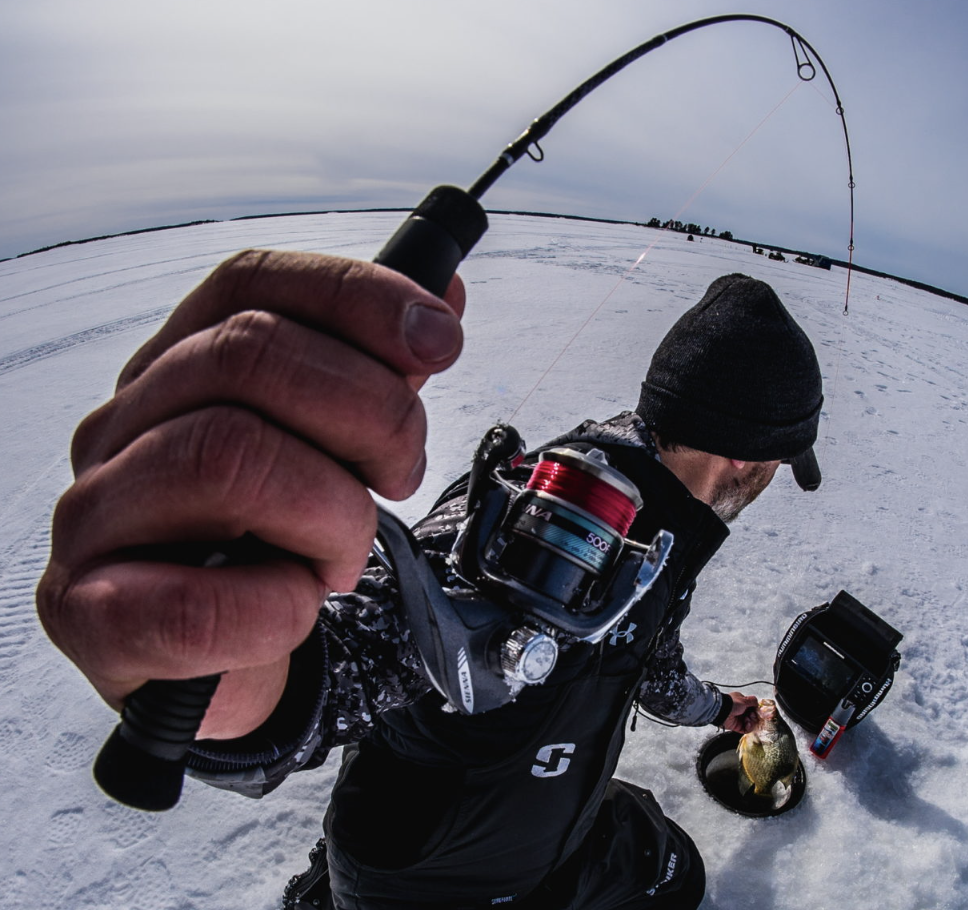
Yeah! I mean, it makes sense, right? I came across this Target Walleye video with TW's Brett McComas talkin' how he has gone to the 'lime green' Sufix Advance Ice Mono for night fishing because it "glows like crazy after dark."
Brett was ice fishing with it, but I was thinkin' – why not use it for open-water night fishing? Dock lights, bank fishing, really anything at night...being able to track your line just seems like it’d make everything more efficient.
Here's a bit more on why it helps him:
> "I first started using it because I'm getting old, and it's easier to see on the ice where it is versus wrapped around the chunks of ice, around the hole.
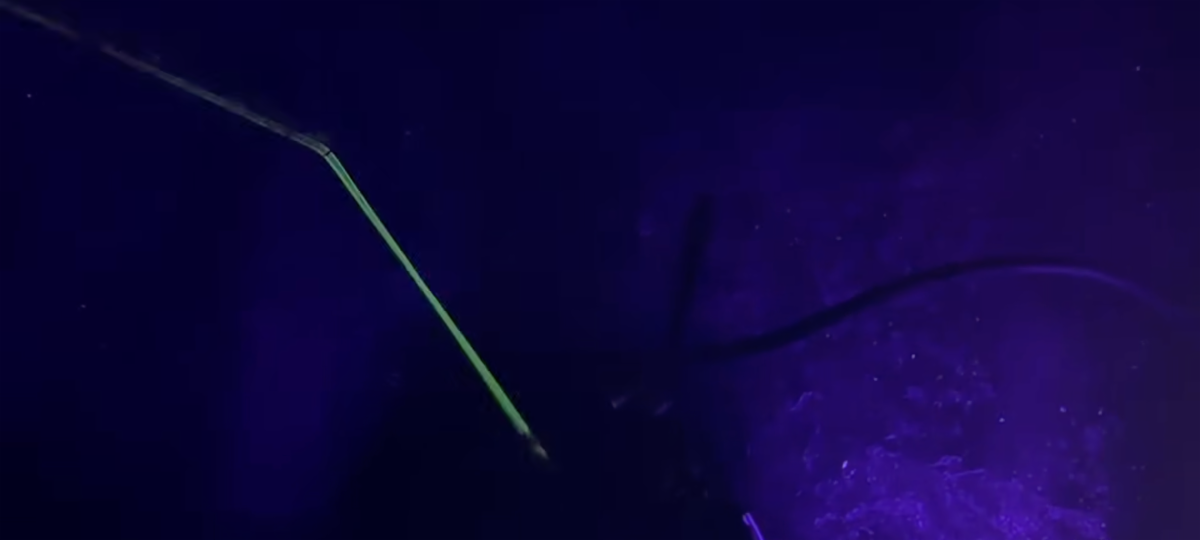
> "After dark, if you have a UV light, it lights up. My Summit Shuttle has a little UV Light built in for glowing spoons, glowing jigs, and I just leave that thing on. And this line, this neon lime colored line, looks like a lightsaber.
> "When you're boopping that bait, popping that spoon, you can see what your line's doing, see if it's getting wrapped up. Definitely helps for landing fish too."
My 2c – of the night fishing I've done, the most frustrating part is just not being able to see where your bait is going. So, if you use a glowing bait like the Bobby Garland Mo Glo' colors in the Baby Shad paired with that glowing Sufix mono, I think it'd be way more efficient for both ice and open water!
Check out that line here at Scheels.
|
|
|
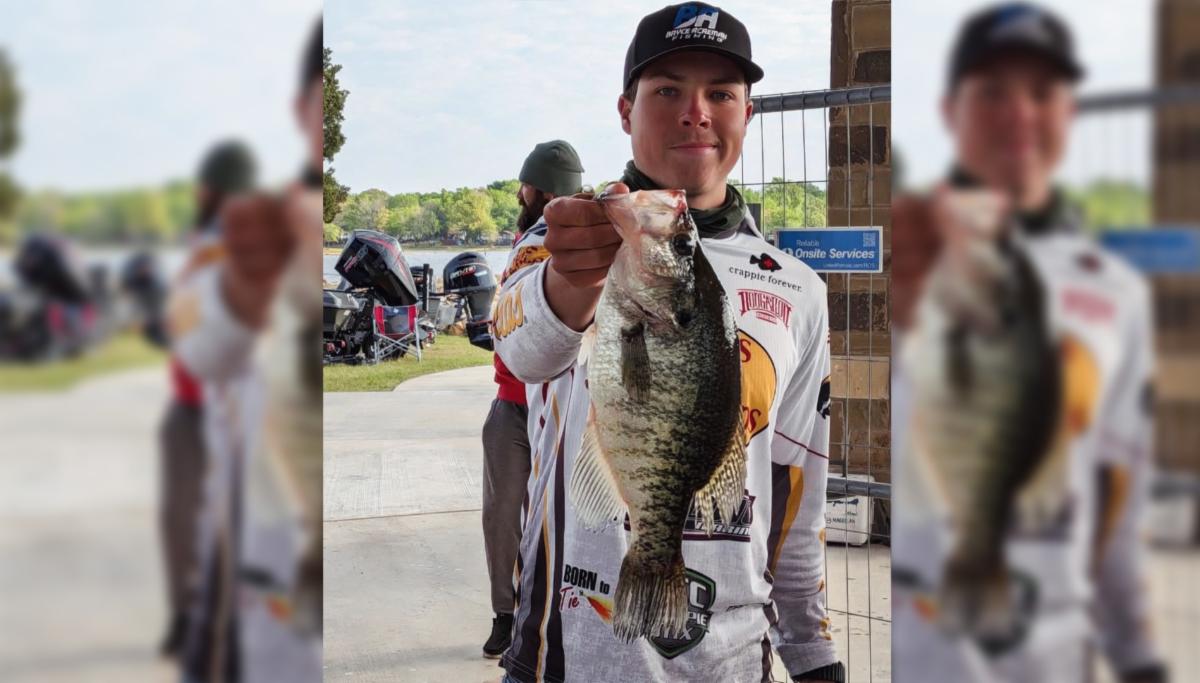
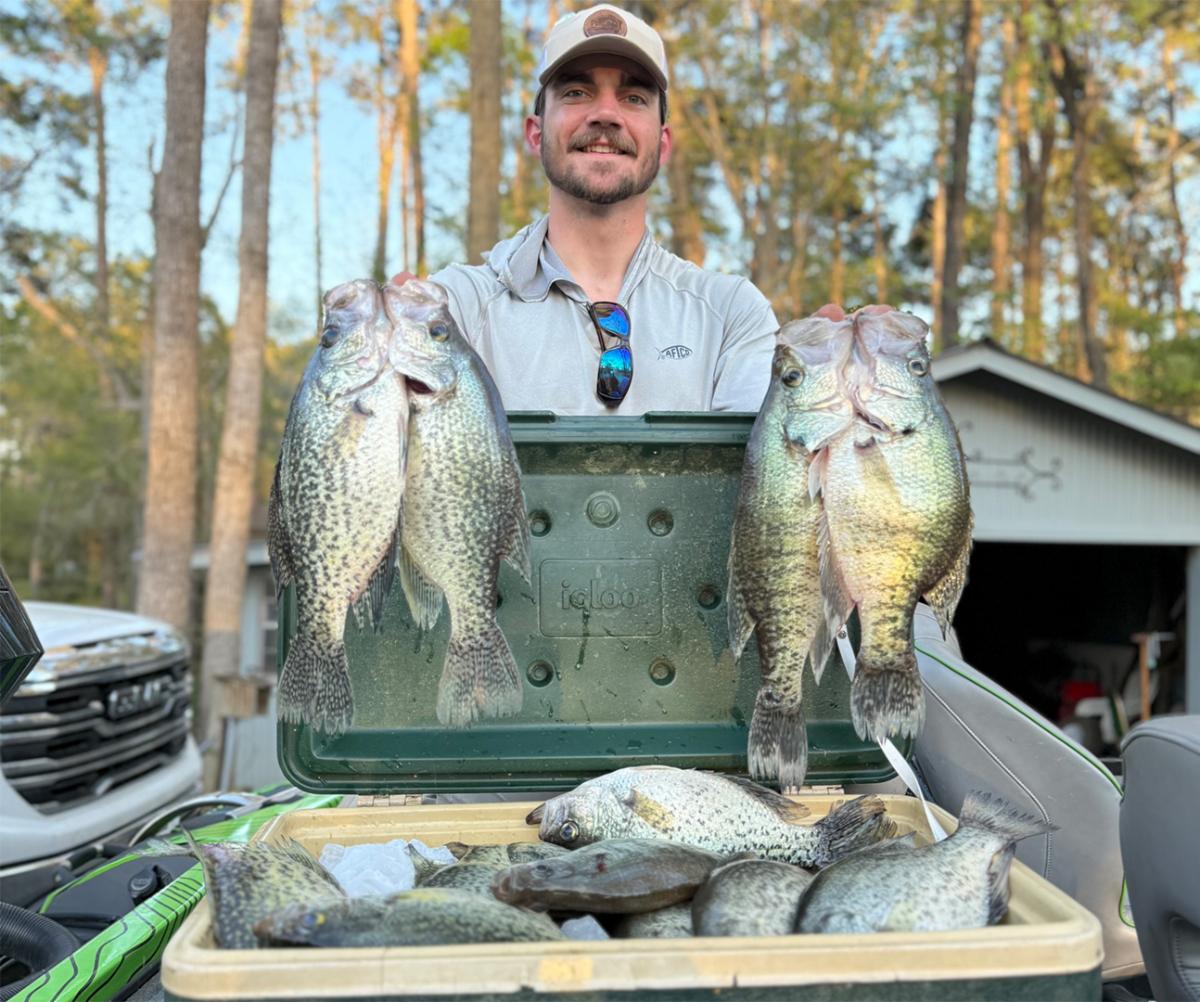
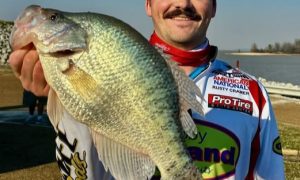
Bryce caught a 2.45-lber to take home the W on the big fish day and won $8K! He might be able to fill up the boat a couple of times with that! Congrats Bryce!
4. SC: Santee Cooper lakes crappie bite is 🔥 right now
5. AR: Crappie bite going down on...
- Maumelle: Crappie are scattered 4-30' and biting minnows and jigs, with fish holding at multiple depths as conditions stabilize.
- Beaver: Crappie are moving up with fish 2-15' and continuing to push shallow as temps rise toward the spawn.
- Lake Poinsett: Crappie are being caught around 8' on shoreline brushpiles, with the best bite right before sunset.
- Bull Shoals: Crappie are starting to show up shallow on brush near spawning areas, with 1/16-oz jigs and minnows under floats working.
- Cane Creek Lake: Big crappie are being caught, with the bite picking back up after a brief slowdown from a cold snap.
- Little Maumelle River: Crappie are holding around 3' and biting minnows and jigs tight to shallow cover.
6. Would you fish a rattling crappie bait?
|
|
|
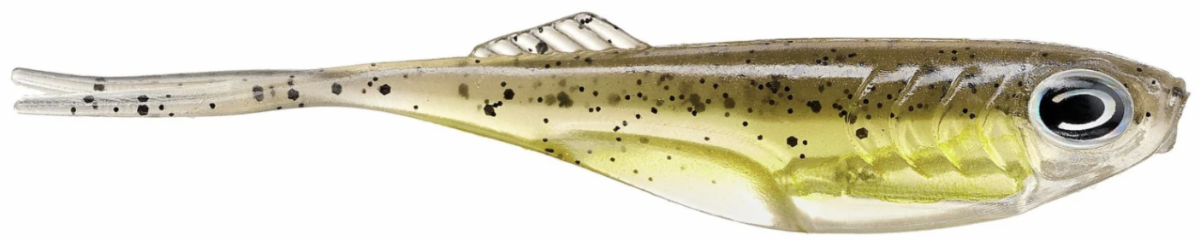
Came across this bait on Tackle Warehouse – the 2.75" CAST Fishing Co Echo. Pretty unique deal here – the Echo is built for FFS, and has an internal glass rattle that adds a bit of noise to pull crappie.
Could be a legit muddy-water deal if you can't get fish to commit! 👀
You can remove the rattle and swap in a nail weight or even fill that pocket with scent. Uhhh hello? BaitFuel pocket, man!
MSRP $9.99 for an 8-pack on Tackle Warehouse.
|
|
|
Leave fish to catch fish
Ok not literally, but just for a second! 😁 1 more tip from Brad Chappell on The Crappie Connection's Today's Bite Pod. Someone in the live Q&A asked how the guys manage spooky fish – here's what they said:
> "It seems like they know when your boat’s getting there, and they’re starting to get weary about it. It’s happened a lot more this year than normal.
> "I go up there and catch 1 or 2 pretty quick, and then those fish kind of hunker down in the stump itself or they’ll leave it. Once [that happens], I go back out and make a big circle. I’m looking for them back out in that deeper water.
> "I like fishing somewhere those fish can run back and...feel secure and they’ll kind of calm down. Especially if you give them [some time] and make that loop back around there, you’ll see them suspended right next to that deep water."
|
|
|
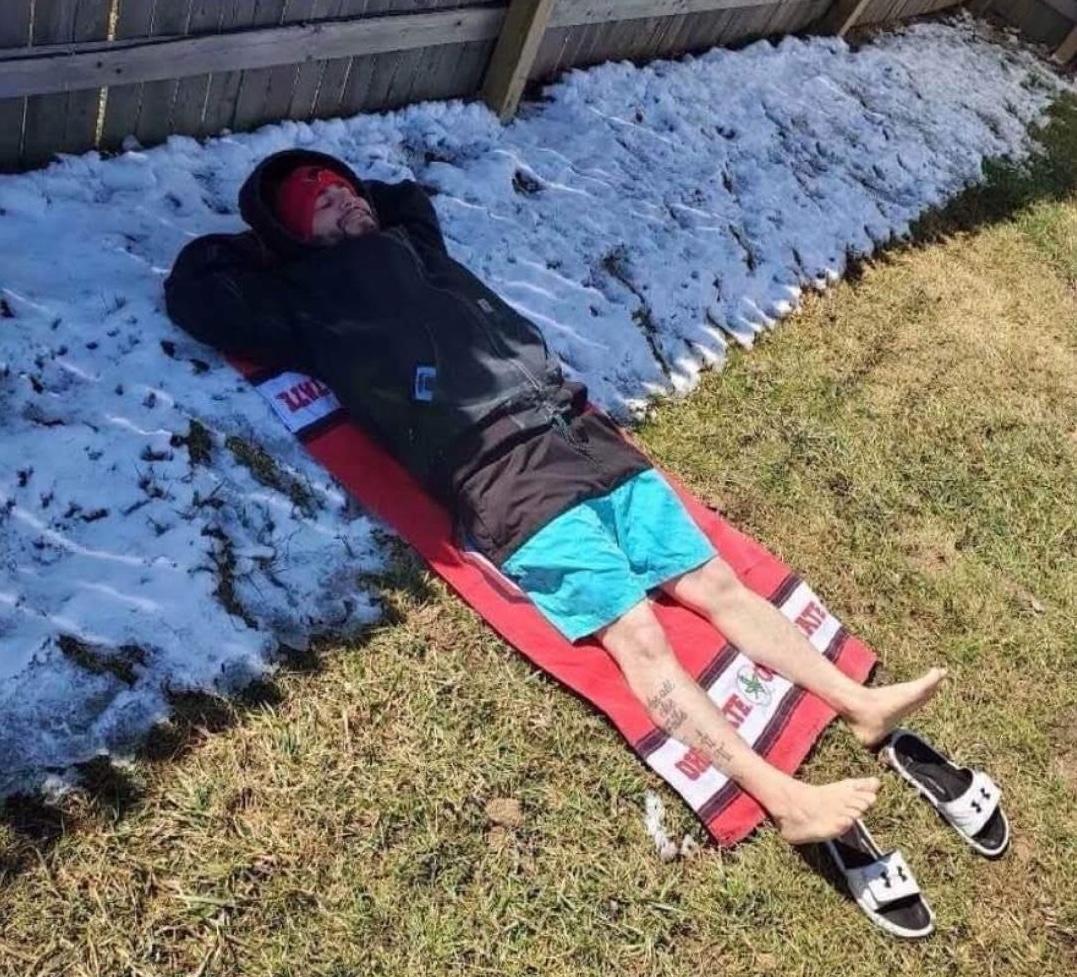
It's that time of year man! Was getting dang near in the 90s down here in TX and now I'm wearing sweatpants out of the house in the mornings! Also hearing of 70-degree days followed by snow up North. We'll be in the warm stuff soon enough! 😂
|
|
|
Sign up another crappie-head!
If you're forwarding Target Crappie to a friend who loves to crappie fish or want your fishing buddies to get these emails, just send us their email addresses and we'll take care of it! (We won't sell the addresses, use them for spam, etc.)
|
|
|
FRIENDS OF TARGET CRAPPIE
|
|
|
|