|
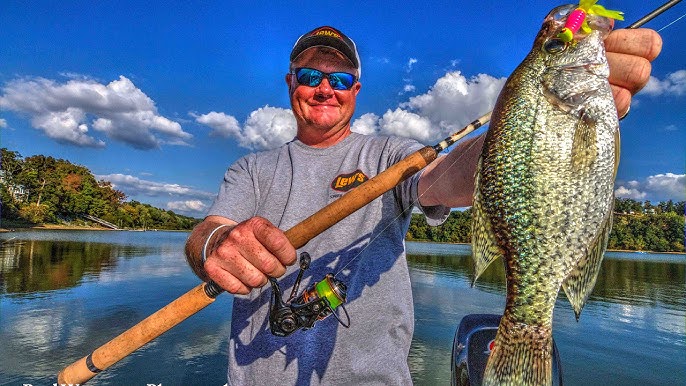
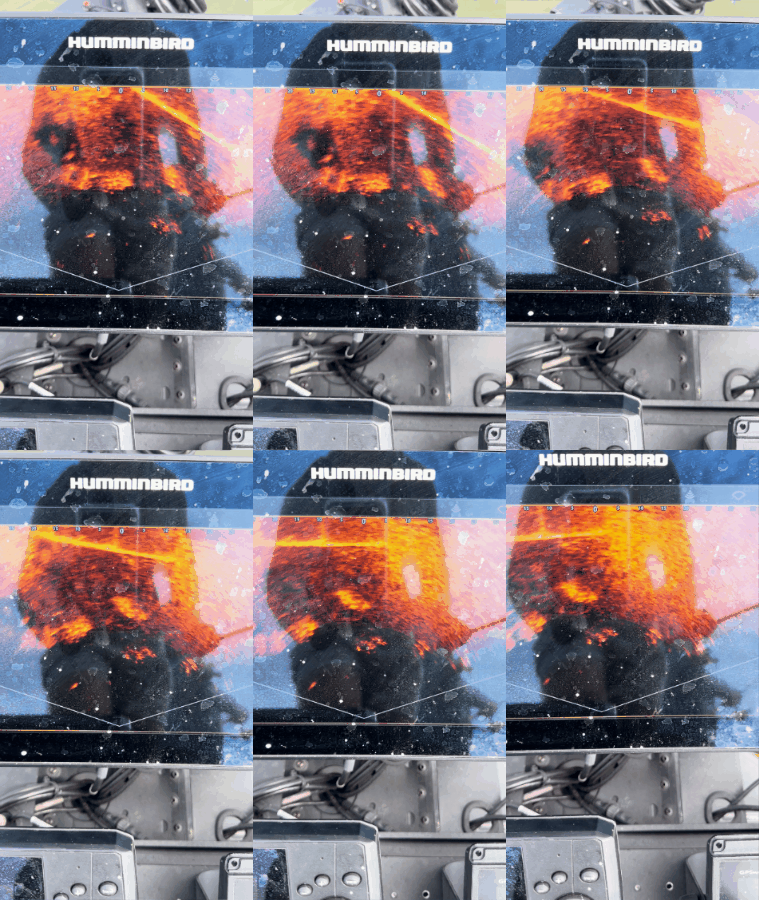
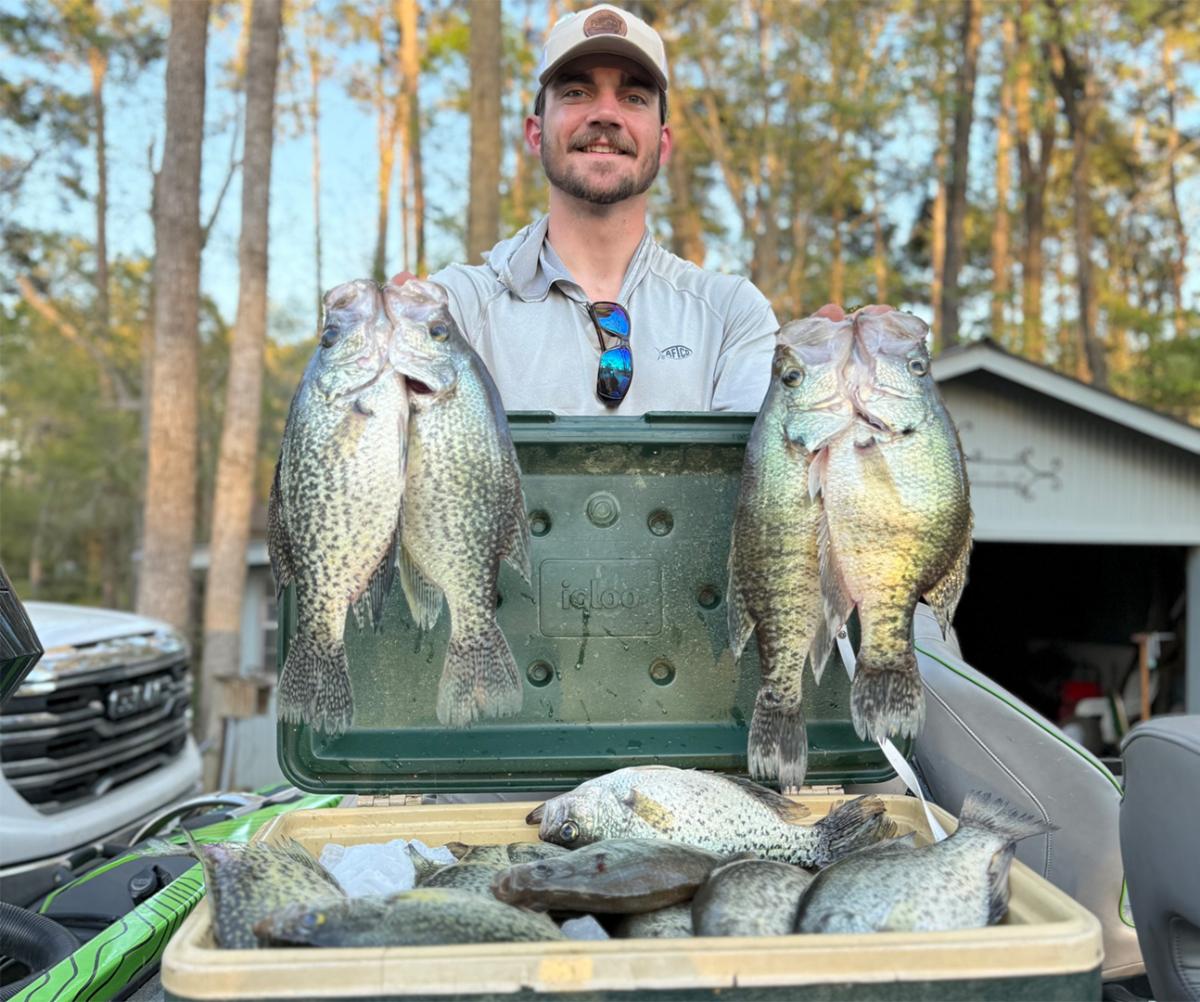
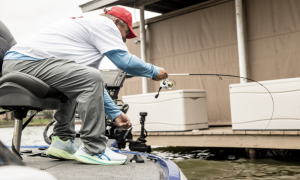
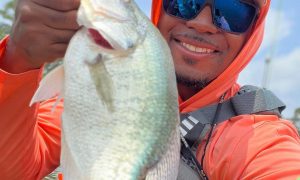
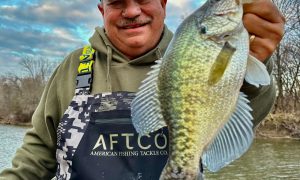
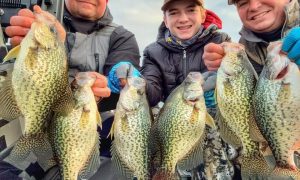
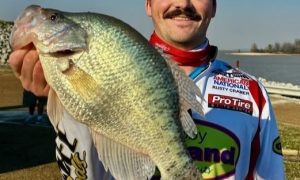
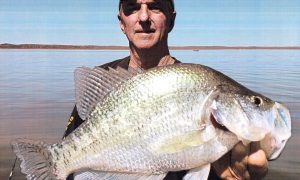
AR's Mark Rose is one of the most well-known bass fishing pros out there – BUT he has a secret love, which you can see from the above pic! He said:
> "I've been doing this for 45 years. I've been crappie fishing when crappie fishing wasn't cool. There were a couple lakes I'd fish in the winter where me and Bill Dance would be the only 2 crappie fishermen out there all winter long."
Mark is ate up with crappie fishing, so I gave him a call to talk about the fall transition. Here's 4 with him:
1. When it starts to cool off, are you changing how you fish right away? Or is it more of a slow transition as the water starts cooling?
> "It starts out slow from right now...through Oct – just slow transitions. Then comes Nov, when that water temperature starts getting more into the 60s and starts dropping faster, and the nights even start getting into the 50s. Man, that's when the good stuff comes along.
> "That's when [crappie] really group up, the bait groups up, and crappie do whatever the bait does.
> "They don't just start grouping up because they're cold outside and want to get by the campfire. They group up because that's what the bait is doing, and they're traveling around in schools feeding on big schools of bait.
> "When Nov comes around, that's when I really change from brush and cover to 100% concentrating on balls of shad. Stay in the biggest group of shad, and you're going to stay in the biggest group of crappie."
2. Is there a way to look at a map and pick out high-percentage areas where crappie will be chasing bait balls?
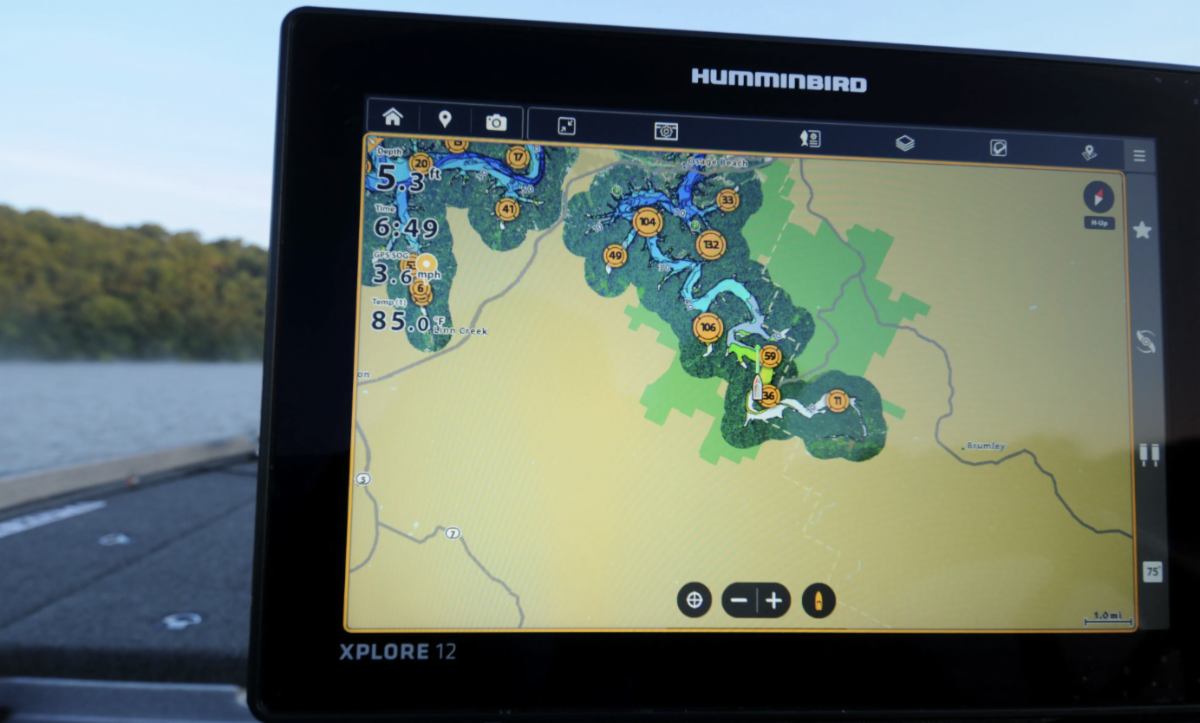
> "It used to be more out over deep-water channels and guts in the backs. It seemed like as far back in a creek as I could get that still had a defined deep gut, so to speak. But now I'm finding them more out in the creek and more out in the lake.
> "Not saying this is good or bad – with [live sonar] having its influence on fishing, they're liable to be anywhere because they're just feeding.
> "Last year I found that the later I fished, especially if I was near a light and fished on into the night, the better it got. I think a lot of crappie are getting to be like mature deer, where we're going to find out they're doing a lot of their feeding at night."
3. Why do crappie and shad tend to move shallower or farther into the creeks during that fall transition?
> "It's the water temperature. The colder nights are going to penetrate that water, and they're going to want to be up higher where that cooler water is first.
> "It's the same thing with the shad. The shad are going to want to be on those flats.
> "For instance, if it's freezing and the water temperature is in the 30s or 40s, then you get a 60-degree, sunny winter day, the warmest water is going to be near the surface.
> "It's the same way in the fall. The cooler water is going to be near the surface, which is going to be 'shallower' water, and that's due to those cooler nights penetrating that warmer water."
4. Does your bait selection change when you go from target-oriented fish around cover to open-water fish?
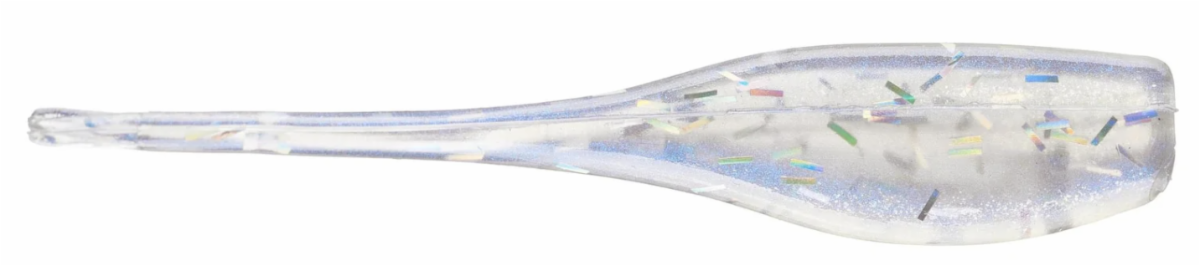
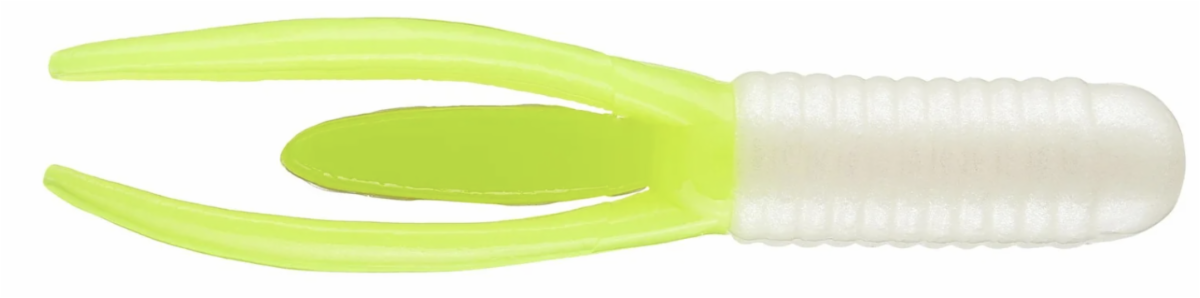
> "That's usually all dependent on water color. The only time I get away from a shad imitator – my favorite lures are a [Mr. Crappie] Lightning Shad and Shadpole – is around the spawn, when I love a [Mr. Crappie] Joker.
> "In real gin-clear water, I'm throwing more of a transparent, see-through shad color. In darker water, I go more toward chartreuse, chart/white, black/chart, that kind of thing."
|