|
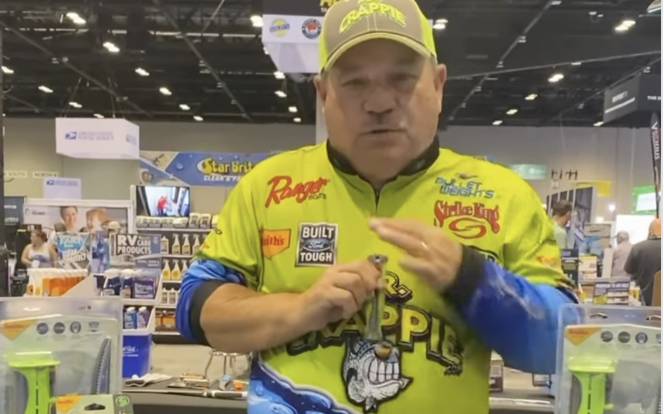
Got on the phone with The Crappie Connection's Brad Chappell to find out how he's targeting MS crappie this winter when he's not dropping the 🧃 on the Today's Bite podcast! Here's 5 Qs with him:
1. When you get out on the water in the winter, what's the first thing you're looking for?
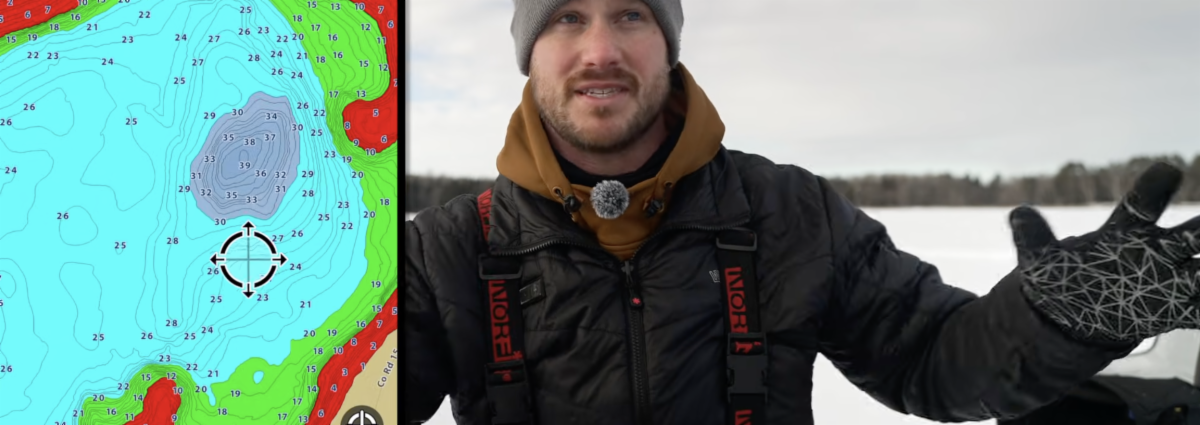
> "I'm looking for deeper portions of the lake. That's where you're gonna find the shad and then of course the crappie.
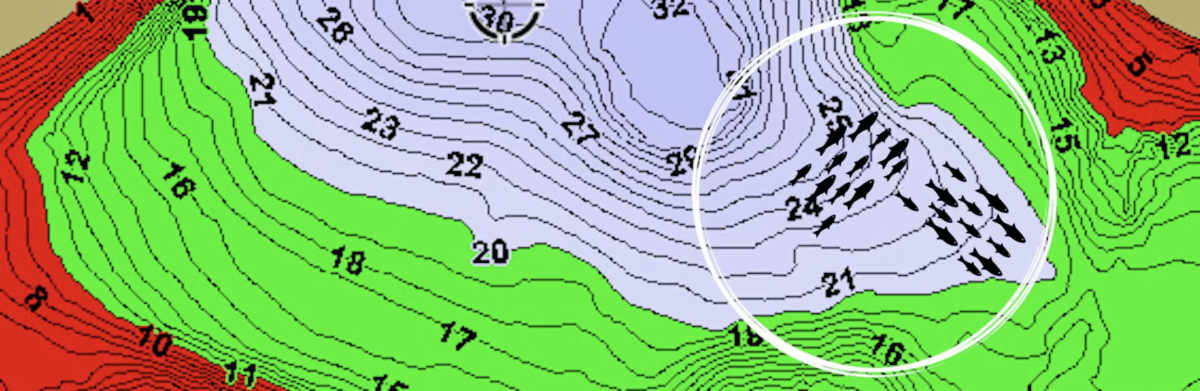
> "On Eagle Lake and Lake Washington [oxbow lakes on the MS River], I start out in the deeper sections, and I try to concentrate on areas on the outside of big schools of shad.
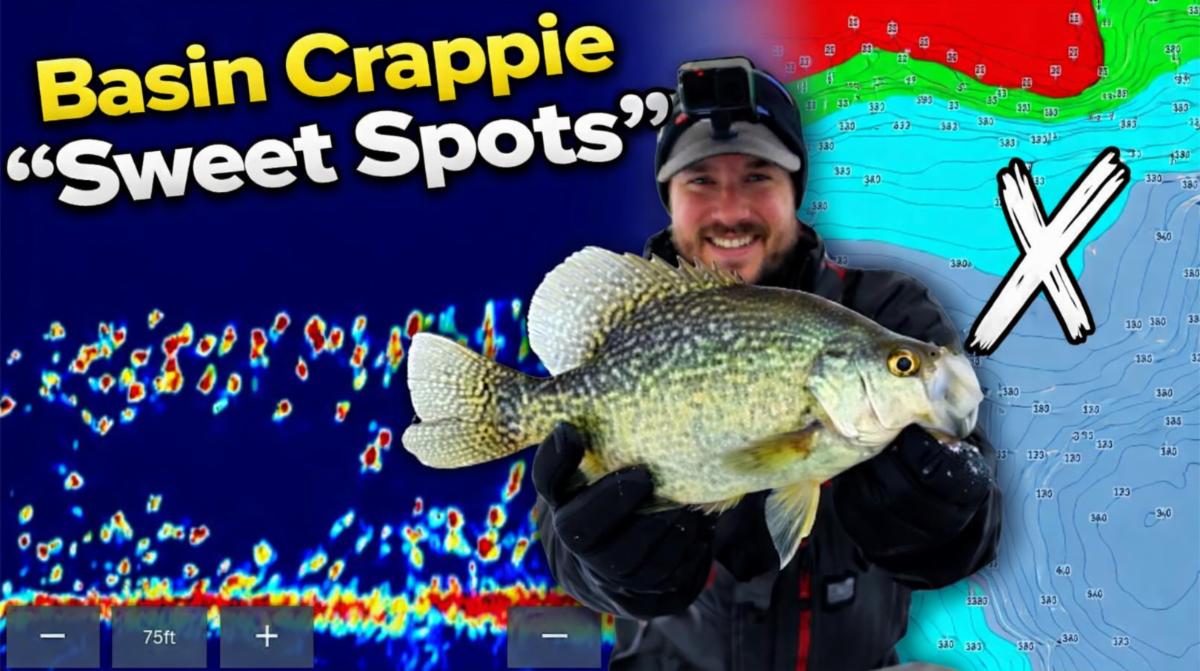
> "I don't target these giant, massive schools of shad. I concentrate on the border of those [baitballs], and just looking for single [crappie], sometimes doubles – but mainly single suspended fish high in the water column.
> "Lately, our fish have been anywhere from 18-20' deep, so pretty deep."
Follow-up: How are you sneaking up on fish when you find them?
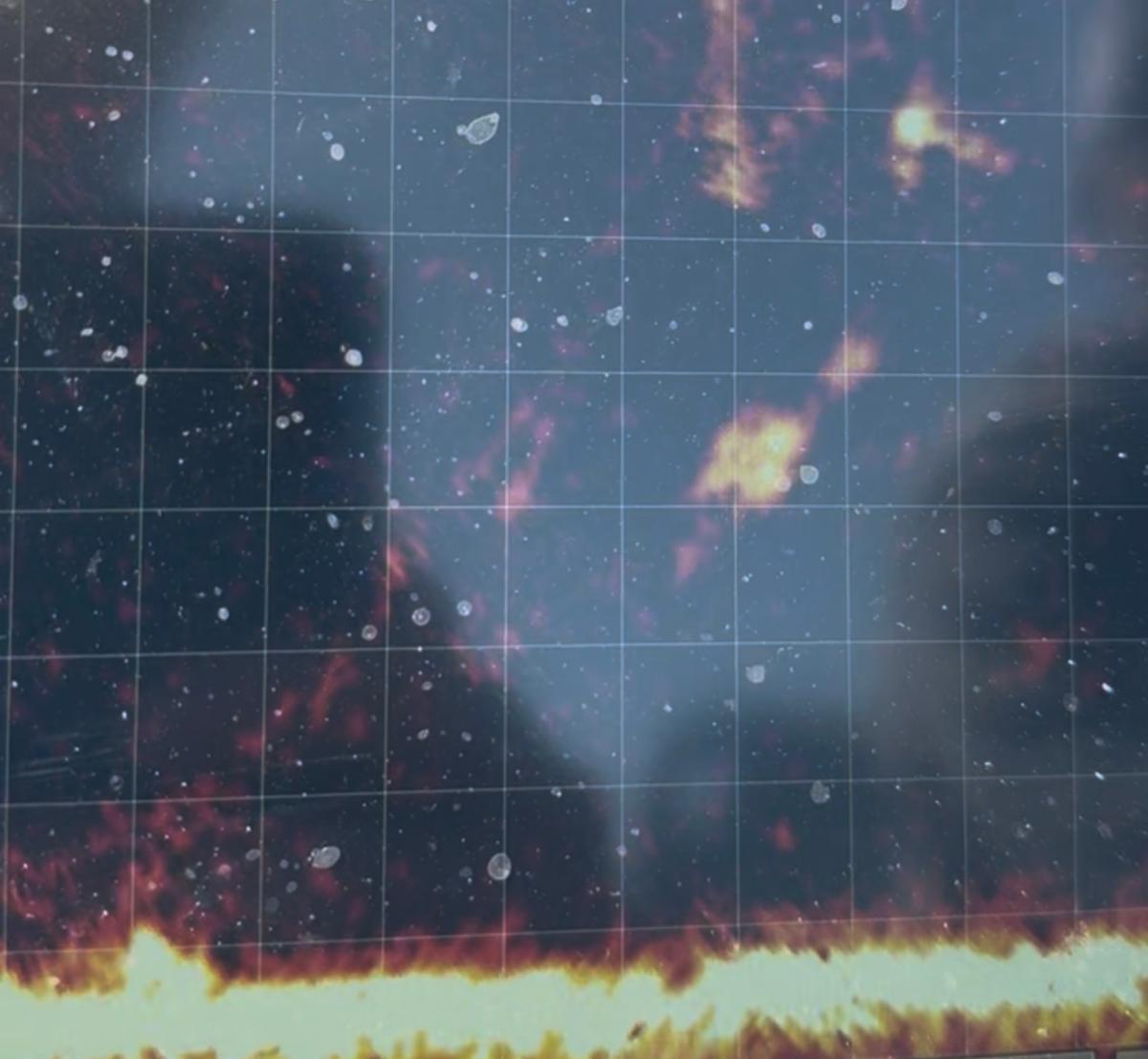
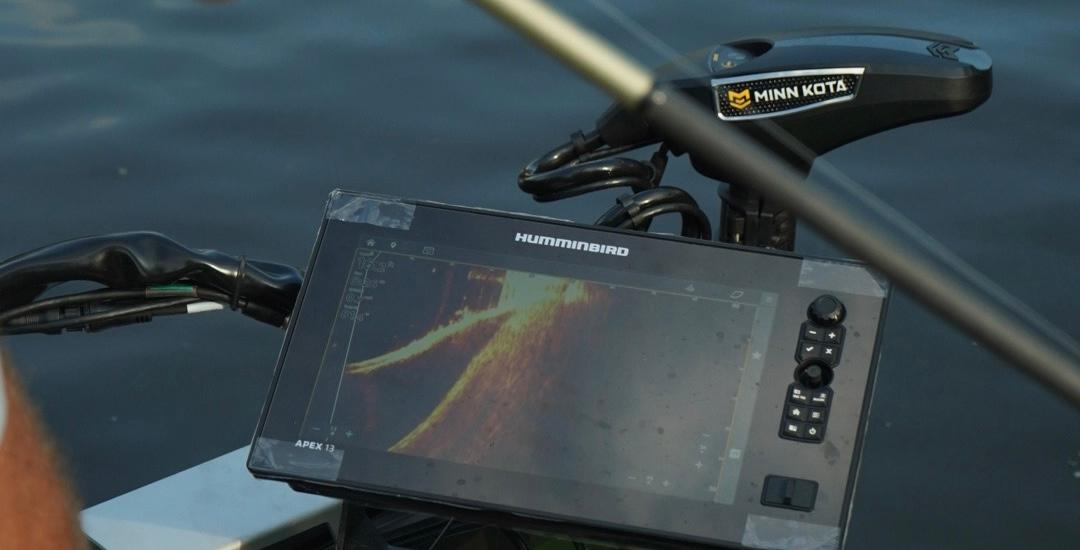
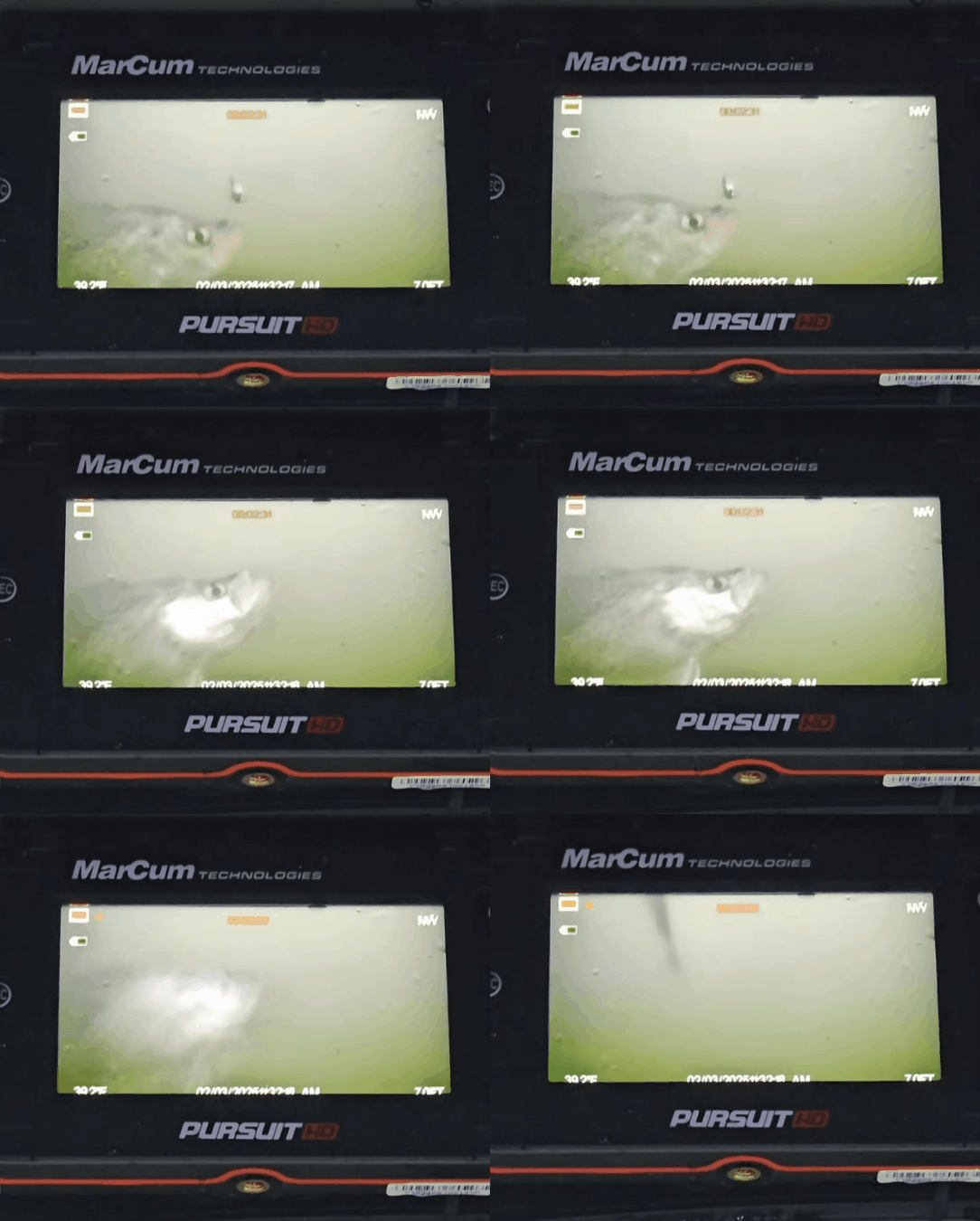
> "I set my LiveScope out to 100' [depending on] how many fish are in the area. If I'm not seeing a lot of fish in the area, I might even stretch it out to 120 or 140 just to spot some kind of fish on the screen.
> "I'm looking for a solid, steady blip on the screen.
> "I always like going into the wind, no matter if it's just a light breeze or even heavy wind. I prefer to go into the wind using Power Brakes in the backside of the boat.
> "[When I see a fish] I want to slow down...especially once I get my target within 40'.
> "I want to have the boat pretty much creeping up to him at that point. The first presentation is probably the most critical."
2. When you're long-poling, do you like to swing the bait on, push it or straight drop?
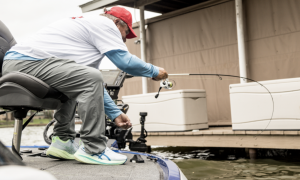
> "A lot of times I like to have my clients in position as far as what depth, and I'm driving the boat and the bait to [the fish].
> "I always like to have the bait up above the fish – at least 2' before we get ready to be presented to the crappie.
> "As we get in position, I try to identify which way the fish is actually facing. If the fish is facing the boat, I want the bait above him in his line of sight.
> "[When the bait is over the fish] I like it to actually do a little drop – not all the way in front of his face, just drop 1-1.5' while it still stays about 6 inches above him.
> "Once it drops down to that position, instead of jigging it, I like to tap the pole. I like to have the client actually have their hands stay on the pole, but take their the 2 index fingers and just start tapping it with their nails or the base of their finger.
> "It's something to generate that kind of vibration in the jig to jump around a little bit and try to get the fish's attention.
> "A lot of times these fish are relaxing or not really out searching for food, so it's just something to get their attention."
3. Is there any pattern as to where you're catching your bigger fish?
> "That varies day to day, lake to lake. I always try to keep an open mind.
> "[For example] if we're catching small fish that are right next to the shad or up in the shad balls, we're finding these better fish 100-200 yards away from the big mass of bait.
> "It's always about eliminating the smaller fish to get to the bigger fish."
|